care@ibindustrie.com
+91-9448503668
FARM & MILLS- Manufacturing Of Healthy Millets 
Known Your Millets:
Millets are one of the oldest crops known to human civilization.
Its benefits are:
- Anti-Celiac Disease : Millets are gluten free grains hence, used for celiac disease patients.
- Anti - Diabetic Properties: Millets consumption lower blood glucose response & glycosylated hemoglobin thus, rendering glycemic index, helps in reducing the risk of diabetes millets .
- Reduction Of Oxidative Stress : Free radicals are removed by the phenolic compounds present in millet grains which reduces oxidative stress.
- Anti-Cancer Properties: Millet extracts have anti-prolific effects on cancer cell line, inhibit DNA damage & induce the production of phase-2 deoxifying enzymes.
- Anti-Hypertensive: Millets prevent the oxidation of low density lipoproteins reducing lipase activity which reduces the occurrence of hypertension.
Millets are primarily categorized as major millets including sorghum, bajra, ragi and minor millets including foxtail, kodo, barnyard, proso, browntop and little millet.
Packaging Size Comes in
- 1/2 Kg
- 1 Kg
- 5 kg
Our Millets Products
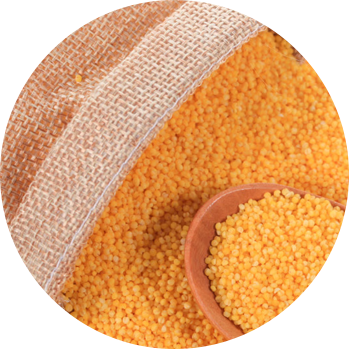
Foxtail Millets
Foxtail Millets
It is one of the oldest cultivated millets. It is a self pollinating, short duration, cereal, good as food for human consumption feed for poultry and cage birds and fodder for cattle. Foxtail millet ranks second among the millets production in the world.
Benefits- It is rich in vitamin B12 which is essential for maintaining a healthy heart smooth functioning of the nervous system and in general good for skin and hair growth. A diet including foxtail millet may improve glycemic control and reduce insulin, cholesterol and fasting glucose in type-2 diabetes patients.
Uses- kheer, porridge, salad , dosa, idli
Packing size - ½ kg, 1 kg, 5 kg
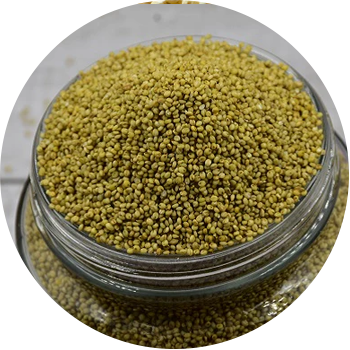
BROWNTOP Millets
BROWNTOP Millets
It is a native of India has relatively limited cultivation to the parts of Karnataka & Andra Pradesh through its occurrence as a weed is noted in all states of India. It is primarily used as a food crop in India. It can be grown even in less fertile sandy loam sols & matures in 60-80 days & is the most inexpensive crop to grow & does not need weeding and has no serious pets & diseases.
Benefits- Heart & kidney health. The presence of a high amount of fiber, iron & phosphorus in Browntop millet is helpful in controlling blood sugar, blood pressure and cholesterol levels
Uses- Upma, dosa, khichdi, salad
Packing size - ½ kg, 1 kg, 5 kg
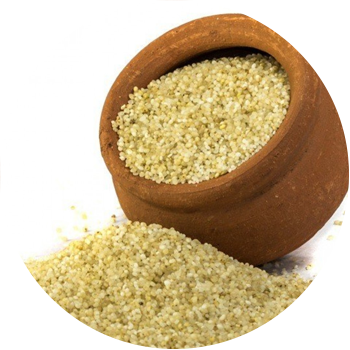
Little Millets
Little Millets
It is a quick growing short duration cereal which can withstand both drought and water logging. It is an important crop grown for food and feed. Little millets is rich in cholesterol when consumed increases good cholesterol in the body.
Benefits- It is rich in antioxidants that boost immunity and protect against infections and diseases. Additionally little millet is a good source of magnesium , an essential mineral required for various bodily functions such as maintaining healthy bones and supporting muscle and nerve function
Uses- Payasam, curd rice, biriyani , tomato rice
Packing size - ½ kg, 1 kg, 5 kg
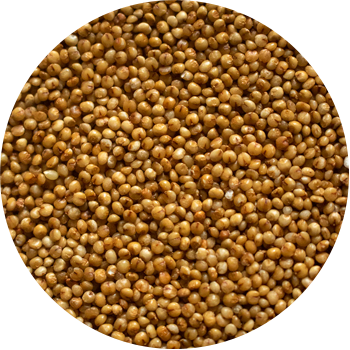
Kodo Millets
Kodo Millets
It is extensively grown on the poorest of soils throughout India but is probably not cultivated to any extent elsewhere. It is reputed to be extremely hardy, drought resistant and growns on stony or gravelly soils which would not support other crops. It is relatively long in duration requiring 4 to 6 months to mature compared with 2 to 4 months for the other millets.
Benefits- prevents constipation strengthens nervous system, Helps in blood sugar control, Beneficial for postmenopausal women suffering from any metabolic diseases.
Uses- Chapati, idli, porridge, cheela, dal & pulao
Packing size - ½ kg, 1 kg, 5 kg
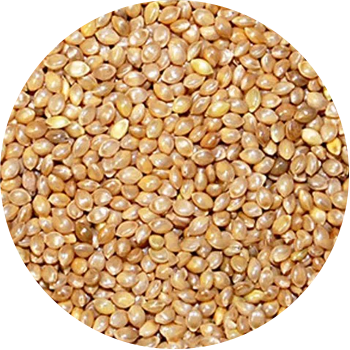
Barnyard Millets
Barnyard Millets
It is the 4th most produced minor millet, providing food security to many poor people across the world. Globally India is the biggest producer of barnyard millet. Among many cultivated & wild species of barnyard millet, 2 of the most popular species are Echinochloa frumentacea & Echinochloa esculenta.
Benefits- Rich source of fibre both soluble & insoluble, Gluten free & healthy option when suffering with celiac disease , Anti mutagenic anti inflammatory & antioxidant properties
Uses- Porridge, dosa, idlis, upma, pulao
Packing size - ½ kg, 1 kg, 5 kg
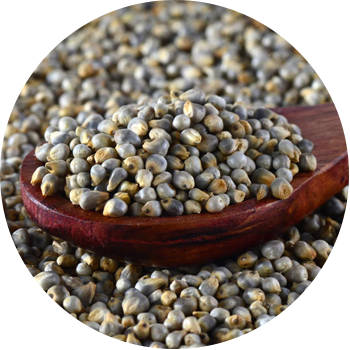
Pearl Millets
Pearl Millets
It is multipurpose cereal crop belonging to poaceae family is commonly called as Bajra, Bajri, Sajje, Kambu, Kamban , Sajjalu etc. in various Indian local languages. It is commonly used for food, feed and fodder purpose. This crop has a capability to grow at very high temperature with low water requirement where other crops like rice, wheat, maize fail to grow.
Benefits- Reduces cholesterol, Promotes bone health, Beneficial in treating stomach ulcers, Promotes heart health , Aids in weight loss
Uses- khichdi, roti , upma , idli, khakhra, paratha
Packing size - ½ kg, 1 kg, 5 kg
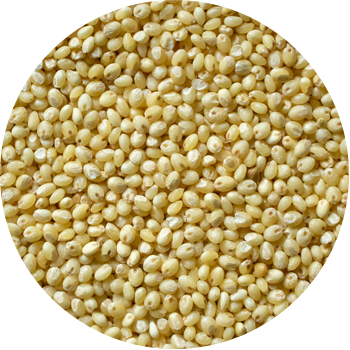
Proso Millets
Proso Millets
It is a grain crop with many common names including proso millet, broomcorn millet, common millet. The crop is notable both for its extremely short lifecycle, with some varieties producing grain only 60 days after planting & has low water requirement producing grain more efficiently of moisture tan any other grain species tested.
Benefits- Helps to keep the heart healthy, Helps to balance cholesterol level, Prevents diabetes, Helps to assist digestion, Prevents cancer, Helps in detoxification, Helps keep the respiratory health in check, Anti- ageing properties.
Uses- Soups, salad, bread, dosa,idli
Packing size - ½ kg, 1 kg, 5 kg
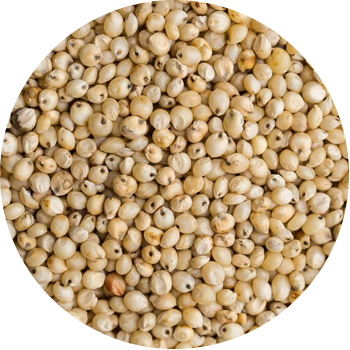
Sorghum Millets
Sorghum Millets
It is widely known as Jower in India. It is the world’s fifth major cereal food crop in terms & production & acreage after rice, wheat, maize & barley. In India , the sorghum grains are used mainly for food while the stover after harvest of grains is highly valuable as nutritive fodder to animals.
Benefits- It helps loose weight, It helps in lowering blood pressure and improving cardlovascular health, Having low glycemic index helps in improving blood sugar control
Uses- khichdi ,dosa , puri, laddo, halwa
Packing size - ½ kg, 1 kg, 5 kg
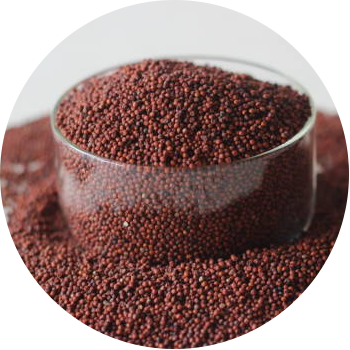
Finger Millets
Finger Millets
It is commonly known as ragi, is one of the important millet crops grown for grain & fodder purpose under varied agro- climatic conditions in India. The crop requires low input and less affected by major pets and diseases & matures in 90-120 days.
Benefits- Reduce blood glucose levels, Anti- microbial properties, Promotes bone health , Revive skin & hair health, Repair injured muscle tissues
Uses- Roti, dosa, cheela, cockies, cakes upma
Packing size - ½ kg, 1 kg, 5 kg